Flipping eggs. It seems simple, doesn’t it? Crack, sizzle, flip, done. But for many home cooks, the flip is where things go south – literally. A broken yolk, a scrambled mess, or an egg clinging stubbornly to the pan are common kitchen calamities. Mastering the art of flipping eggs, especially when you’re dealing with three at once, requires more than just luck. It demands a combination of technique, the right tools, and an understanding of egg cookery. This guide will equip you with everything you need to conquer the 3-egg flip and impress your family and friends with your breakfast prowess.
The Foundation: Preparation is Key
Before you even think about cracking an egg, ensure you’ve laid the groundwork for success. This involves selecting the right equipment and preparing your ingredients properly. Rushing this stage is a recipe for disaster.
Choosing the Right Pan
The type of pan you use is arguably the most crucial factor in achieving a successful egg flip. A non-stick pan is your best friend here. Look for a pan with a smooth, undamaged surface. Scratches and wear can cause eggs to stick, making flipping incredibly difficult. The size of the pan also matters. For three eggs, a 8-10 inch pan usually suffices. Too small, and the eggs will be overcrowded and steam instead of frying properly. Too large, and the eggs might spread too thin, increasing the risk of tearing during the flip.
Consider the material of the pan. While non-stick coatings are the key feature, some materials conduct heat more evenly than others. Look for pans with a heavy bottom, as this will help distribute heat and prevent hot spots that can cause sticking. Cast iron, while requiring more maintenance, can also be used if properly seasoned, offering exceptional heat retention.
Selecting the Perfect Spatula
Your spatula is your egg-flipping weapon of choice. A thin, flexible spatula with a wide blade is ideal. This will allow you to easily slide under the eggs without tearing them. Avoid spatulas that are too thick or rigid, as they can damage the delicate egg proteins. Silicone or nylon spatulas are great choices for non-stick pans, as they won’t scratch the surface. Experiment with different types until you find one that feels comfortable and gives you good control.
Preparing Your Eggs and Other Ingredients
While it might seem obvious, ensure your eggs are fresh. Fresher eggs tend to hold their shape better and are less likely to spread out in the pan. Take your eggs out of the refrigerator about 15-20 minutes before cooking. Bringing them closer to room temperature helps them cook more evenly.
Have any additional ingredients you plan to use – like butter, oil, salt, pepper, or herbs – ready and within easy reach. Efficiency is key when cooking eggs, as they cook quickly.
Mastering the Technique: The Art of the Flip
Now for the main event: the flip itself. This section breaks down the process into manageable steps, offering tips and tricks to help you achieve a perfect flip every time.
Heating the Pan and Adding Fat
Place your pan over medium-low heat. Patience is crucial here. Avoid the temptation to crank up the heat, as this will only lead to burnt eggs and a sticky pan. Allow the pan to heat gradually for a few minutes. To test if the pan is hot enough, flick a few drops of water into it. If the water sizzles and evaporates quickly, the pan is ready.
Add your chosen fat. Butter adds a rich, nutty flavor, while oil (such as olive oil or vegetable oil) provides a higher smoke point and can be a good option for those who prefer a less buttery taste. About a tablespoon of fat should be sufficient for three eggs. Swirl the fat around the pan to ensure it’s evenly coated.
Cracking the Eggs
Crack the eggs into the pan one at a time. Gently tap the egg on a flat surface to create a crack, then use your thumbs to separate the shell over the pan. Try to avoid getting any shell fragments into the pan.
Cooking the Eggs
Allow the eggs to cook undisturbed for a few minutes, until the whites begin to set. You’ll notice the edges turning opaque and the whites becoming firm. This is a crucial step, as the eggs need to be partially cooked before you attempt to flip them. If you try to flip them too early, they will likely break.
Once the whites are mostly set but the yolks are still runny, it’s time to flip. Use your spatula to gently loosen the edges of each egg from the pan. Slide the spatula under one egg at a time, making sure to get underneath the entire egg white.
The Flip
This is the moment of truth. There are two main techniques for flipping eggs: the wrist flick and the spatula lift.
- The Wrist Flick: This technique requires a bit of practice but can be very efficient. Hold the spatula firmly and, with a quick, smooth motion, flick your wrist to flip the egg over. The goal is to flip the egg quickly and cleanly, so it lands gently on the uncooked side.
- The Spatula Lift: This technique is a bit more controlled and is often preferred by beginners. Carefully lift the egg with the spatula, bringing it up and over in a smooth arc, then gently place it back into the pan, uncooked side down.
For three eggs, it is generally recommended to flip each egg individually. Trying to flip all three at once is a recipe for disaster, especially when you are starting out.
Finishing the Eggs
Once the eggs are flipped, cook them for another minute or two, depending on how you like your yolks. For runny yolks, cook them for a shorter amount of time. For firmer yolks, cook them for longer. Be careful not to overcook them, as this will make the yolks dry and rubbery.
Season the eggs with salt and pepper to taste. You can also add any other desired seasonings, such as herbs or spices.
Serving the Eggs
Once the eggs are cooked to your liking, remove them from the pan and serve immediately. Use your spatula to gently slide them onto a plate. Garnish with fresh herbs or a sprinkle of paprika, if desired.
Troubleshooting: Common Problems and Solutions
Even with the best preparation and technique, things can still go wrong. Here are some common problems you might encounter when flipping eggs, along with solutions to help you overcome them.
Eggs Sticking to the Pan
This is perhaps the most common problem. The likely culprit is a pan that is not hot enough, not enough fat, or a damaged non-stick surface.
- Solution: Ensure the pan is properly preheated before adding the fat. Use a generous amount of fat and make sure it’s evenly distributed. If your non-stick pan is damaged, consider replacing it.
Broken Yolks
Broken yolks can be frustrating, but they don’t necessarily ruin the dish. This often occurs if the eggs are flipped too early or too aggressively.
- Solution: Allow the egg whites to set more before attempting to flip. Use a gentle touch when flipping, and avoid jabbing the eggs with the spatula.
Torn Egg Whites
Torn egg whites usually indicate that the eggs are sticking to the pan or that you’re using a spatula that is too thick or rigid.
- Solution: Loosen the edges of the eggs carefully before attempting to flip. Use a thin, flexible spatula to avoid tearing the delicate egg whites.
Unevenly Cooked Eggs
Uneven cooking can occur if the heat is not evenly distributed in the pan.
- Solution: Use a pan with a heavy bottom to ensure even heat distribution. Avoid overcrowding the pan with too many eggs. If necessary, adjust the heat during cooking to ensure the eggs cook evenly.
Beyond the Basics: Variations and Enhancements
Once you’ve mastered the basic 3-egg flip, you can start experimenting with variations and enhancements to take your egg game to the next level.
Adding Cheese
Sprinkling shredded cheese over the eggs after they’ve been flipped is a classic way to add flavor and richness. Cheddar, Monterey Jack, and Gruyere are all excellent choices.
Including Vegetables
Sautéed vegetables, such as onions, peppers, and mushrooms, can be added to the pan before cracking the eggs for a more substantial and flavorful breakfast.
Incorporating Herbs and Spices
Fresh herbs, such as chives, parsley, or dill, can be added to the eggs before or after flipping for a burst of fresh flavor. Spices, such as paprika, cumin, or chili powder, can also be used to add a touch of heat or complexity.
Making a Breakfast Sandwich
Flipped eggs are perfect for breakfast sandwiches. Simply place the cooked eggs on a toasted bun or English muffin with your favorite toppings, such as cheese, bacon, or avocado.
The Science Behind the Perfect Flip
Understanding the science of egg cookery can further refine your flipping skills. Eggs are primarily composed of protein and water. When heated, the proteins denature, or unfold, and then coagulate, forming a solid structure. The rate of coagulation is affected by temperature. High heat causes rapid coagulation, which can lead to tough, rubbery eggs. Lower heat allows for more gentle coagulation, resulting in softer, more tender eggs.
The yolk contains fats and cholesterol, which contribute to its rich flavor and creamy texture. The yolk coagulates at a higher temperature than the whites, which is why it’s possible to have runny yolks with fully cooked whites.
By controlling the heat and cooking time, you can manipulate the coagulation process to achieve the desired texture and consistency of your eggs. This understanding, combined with proper technique, is the key to flipping 3 eggs like a true culinary expert.
What is the best type of pan to use when flipping eggs?
A non-stick pan is generally considered the best choice for flipping eggs, especially for beginners. The slick surface allows the eggs to slide easily, preventing them from sticking and tearing during the flipping process. This reduces the risk of breakage and helps you achieve a perfectly flipped egg.
Alternatively, a well-seasoned cast iron skillet can also work remarkably well. The key is ensuring it’s properly seasoned with a smooth, non-stick-like surface. While cast iron distributes heat evenly, it requires more practice to master the technique and avoid sticking.
What is the ideal heat setting for cooking eggs for flipping?
Medium-low heat is the sweet spot for cooking eggs you intend to flip. This gentle heat allows the egg whites to cook through evenly without browning too quickly or burning on the bottom. It gives you ample time to flip the egg before it overcooks and becomes rubbery.
Cooking at too high a heat can lead to scorched bottoms and uncooked tops, making flipping difficult and resulting in an unappetizing outcome. Conversely, too low a heat can extend the cooking time considerably, leading to dry, rubbery eggs due to prolonged exposure to heat.
How do I know when the egg is ready to be flipped?
The telltale sign that an egg is ready for flipping is when the whites are mostly set, but the yolk is still runny. The whites should appear opaque and firm around the edges, with only a slight shimmer of uncooked egg near the yolk. Gently nudge the pan; the egg should release easily from the bottom.
A common mistake is flipping too early, when the whites are still too liquid. This can lead to the egg breaking apart during the flip. If you are unsure, it’s better to wait a little longer until the whites are more solid.
What is the best technique for actually flipping the egg?
The most effective flipping technique involves using a thin, flexible spatula to gently loosen the egg from the pan’s bottom. Slide the spatula carefully underneath the egg, ensuring you reach the center to lift the entire egg in one smooth motion.
Once the egg is lifted, flip it over quickly and confidently, aiming to land it smoothly back into the pan. Avoid hesitation or jerky movements, as this can cause the egg to break. Practice makes perfect, so don’t be discouraged if your first few attempts aren’t flawless.
What are some common mistakes people make when flipping eggs?
One common mistake is using the wrong type of pan, particularly one that’s not non-stick or well-seasoned. This leads to the egg sticking to the pan, making it nearly impossible to flip without breaking it. Using too much or too little oil or butter is another frequent error.
Another frequent mistake is using too high of heat, causing the bottom to cook too quickly while the top remains runny. People also often flip the egg too early, before the whites are sufficiently set, or they flip too aggressively, causing the yolk to break.
How can I prevent the egg from sticking to the pan?
Ensuring the pan is properly heated before adding the egg is crucial. Heat the pan over medium-low heat for a few minutes before adding a small amount of butter or oil. The fat should shimmer but not smoke, indicating the pan is ready.
Using a non-stick pan or a well-seasoned cast iron skillet significantly reduces the chances of sticking. Additionally, ensure the egg is cooked on a low enough heat to prevent it from browning and sticking to the pan before the whites are set.
How can I achieve a perfectly runny yolk when flipping an egg?
To achieve a perfectly runny yolk, keep a close eye on the egg while it’s cooking. Once flipped, cook it for a very short amount of time – usually just a few seconds – on the second side. This is enough to slightly set the whites without cooking the yolk through.
The exact cooking time depends on the heat of your pan and the size of the egg. Experiment with different cooking times to find the sweet spot that yields a runny yolk to your liking. Remember, it’s always better to undercook than overcook if you’re aiming for that perfect runny yolk.
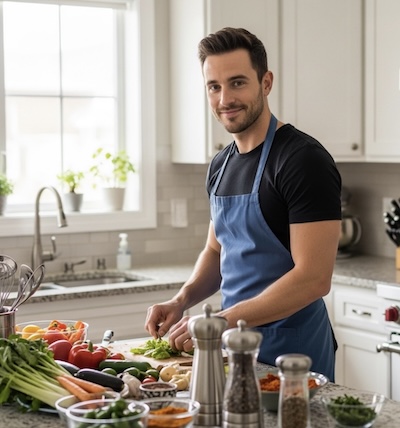
Alden Pierce is a passionate home cook and the creator of Cooking Again. He loves sharing easy recipes, practical cooking tips, and honest kitchen gear reviews to help others enjoy cooking with confidence and creativity. When he’s not in the kitchen, Alden enjoys exploring new cuisines and finding inspiration in everyday meals.